Case Studies & Resources
White Papers
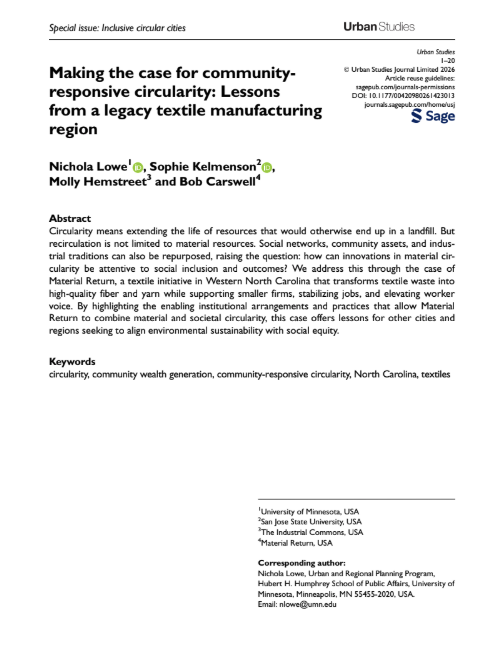
Making the case for community- responsive circularity: Lessons from a legacy textile manufacturing region
In collaboration with Nichola Lowe, an urban and regional planning scholar at the University of Minnesota’s Hubert H. Humphrey School of Public Affairs, this case explores how material circularity can also drive social inclusion. By examining the systems and partnerships behind Material Return, the paper highlights how regions can align environmental sustainability with equitable economic outcomes.
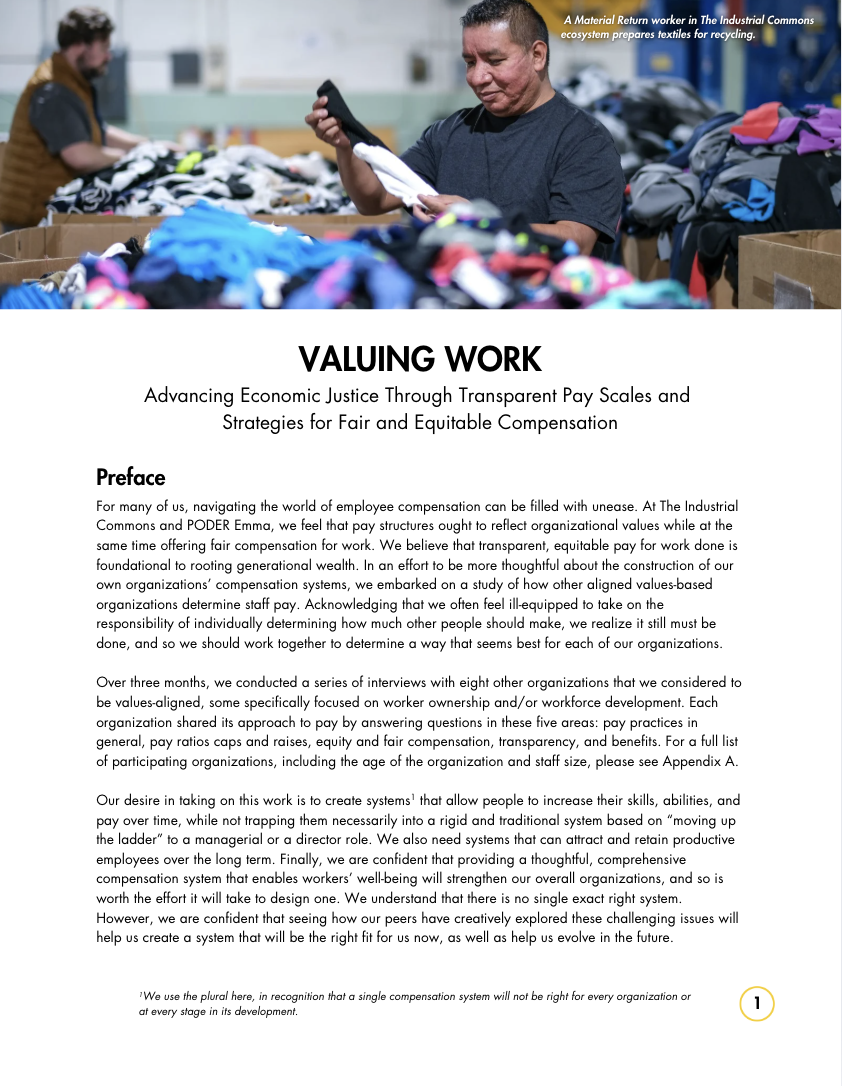
Valuing Work: Advancing Economic Justice Through Transparent Pay Scales and Strategies for Fair and Equitable Compensation
Aiming to build more transparent, equitable, and values-aligned pay systems, The Industrial Commons and PODER Emma studied how peer organizations approach compensation, seeking models that honor both fairness and long-term worker well-being.
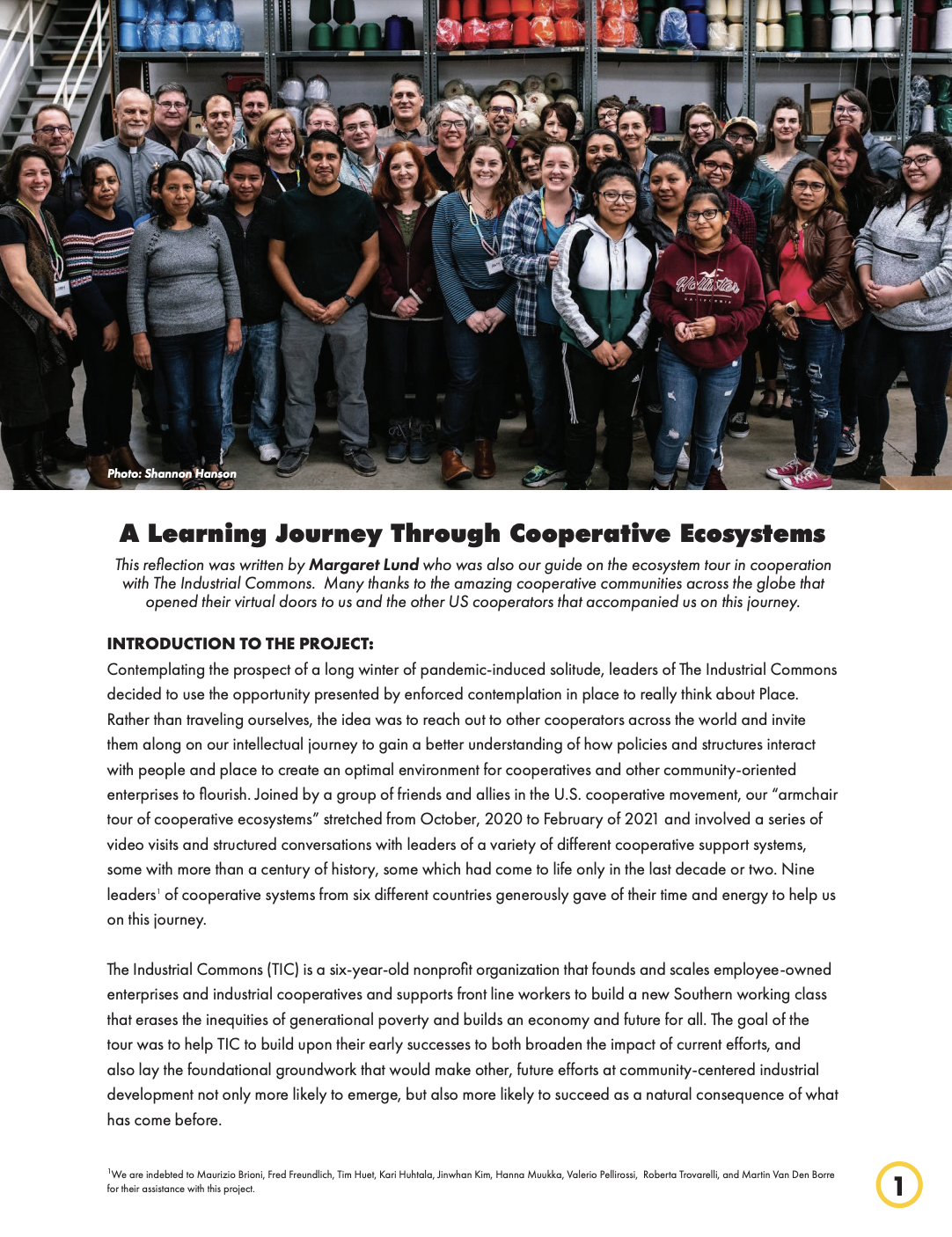
A Learning Journey Through Cooperative Ecosystems
This reflection was written by Margaret Lund who was also our guide on the ecosystem tour in cooperation with The Industrial Commons.

The Practice and Promise of Social Cooperatives
Published by the Rocky Mountain Employee Ownership Center (RMEOC), this collaborative research paper is the first such comparative study of social co-ops for a U.S. audience. Find TIC’s section under: "Cooperative Ecosystem Development: The Industrial Commons".

The Next Generation of Mutualism
Written by Sara Horowitz and published by the Stanford Social Innovation Review (SSIR), this article explores the principles behind mutualism—solidarity, economic self-determination, and long-term investment—and calls for the laws, funding, and coordination needed to help these efforts scale into thriving ecosystems.
Four Principles for Fostering Community Well-Being with Asset-Based Development
This paper, published by the Aspen Institute’s Community Strategies Group, highlights four principles for fostering community well-being through asset-based development. The Industrial Commons is proud to contribute to this work and help advance conversations on strengthening local economies.
Case Studies

A Case Study in Cooperative Innovation & Regional Self-Determination
This case study was written by Margaret Lund for the Democracy At Work Institute with generous funding from the United States Department of Agriculture.

A Lifetime Legacy: Transition Fosters Benefits For All
Cedar Mountain Canteen worked with TIC to transition their business to an Employee-Owned Cooperative model. Check out their motivations and understand the ‘why’ behind their desire for restructure.

One Year Out: Evolution Takes Time!
Equinox Woodworks was struggling with recruitment and retention. Read about their journey to Employee-Ownership and how making the change helped their business evolve over time.

Ecologist Report
The 5-year Ecologist Project invites experts in the areas of jobs, housing, manufacturing, and finance to reflect on changes in the region and the transformational nature of ecosystems of TIC and PODER Emma. Here is the report capturing the story from Summer 2022 - Fall 2024.
Resources
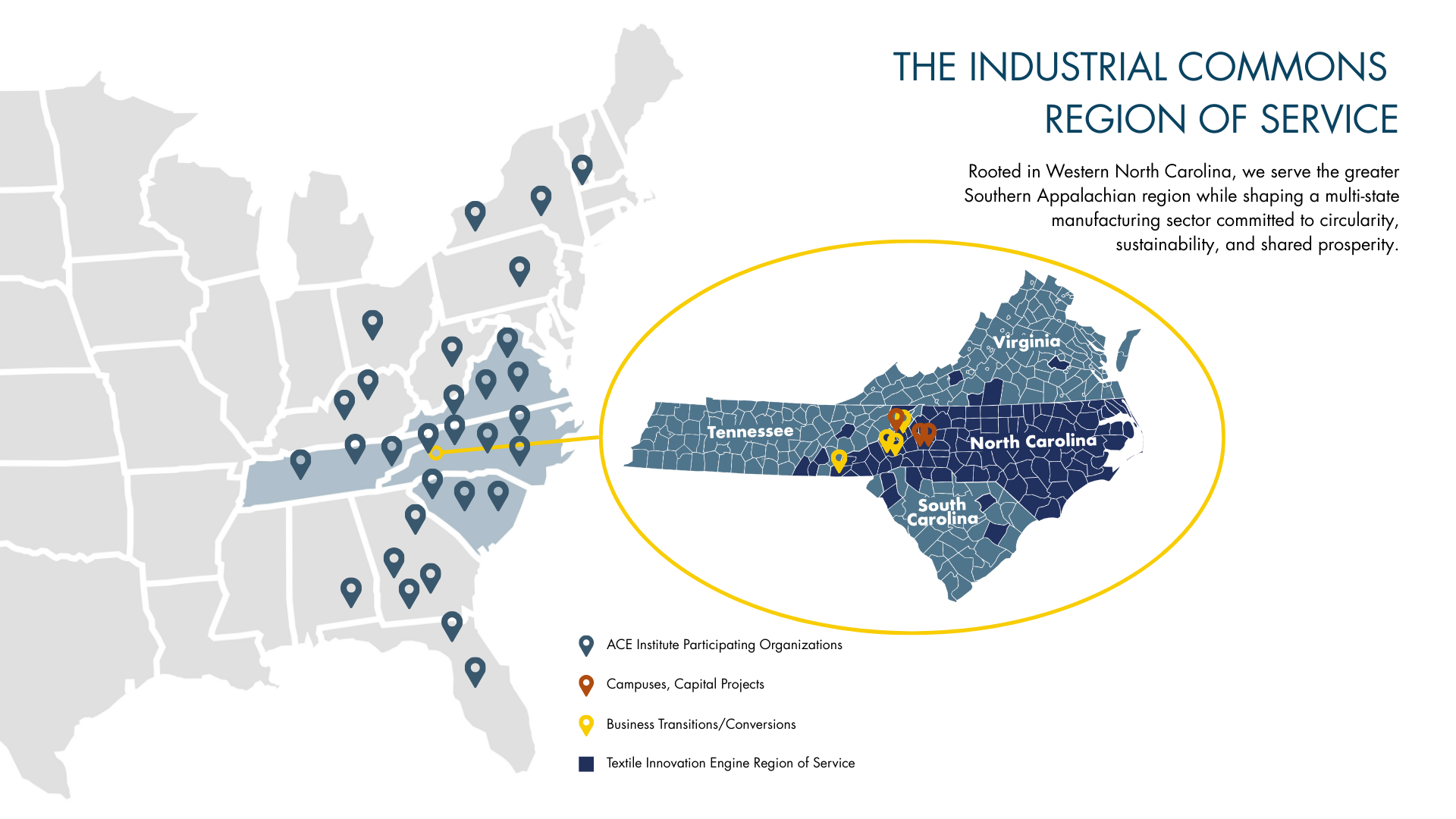
Our Region of Service Map
Rooted in Western North Carolina, we serve the greater Southern Appalachian region while shaping a multi-state manufacturing sector committed to circularity, sustainability, and shared prosperity
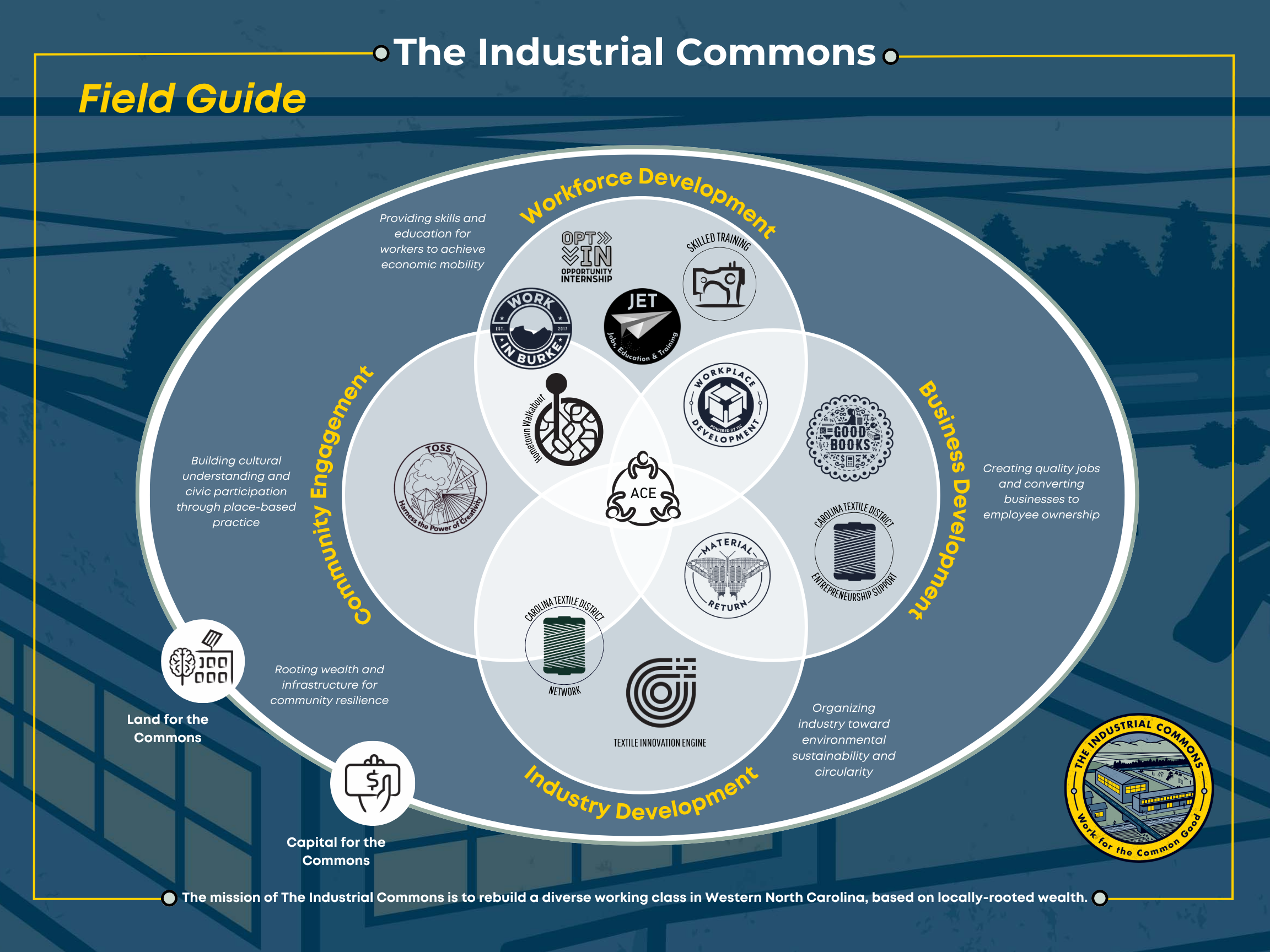
Organizational Field Guide
Check out our organizational ‘Field Guide’ to learn more about how our enterprises and programs intersect and collaborate with one another.

2024 Annual Report
Take a look at all the relevant numbers and positive changes from TIC from 2024!

Community Impact Metrics
See the numbers that tell the story—our metrics are where impact meets insight!